

Tough New Drink Driving Law Changes
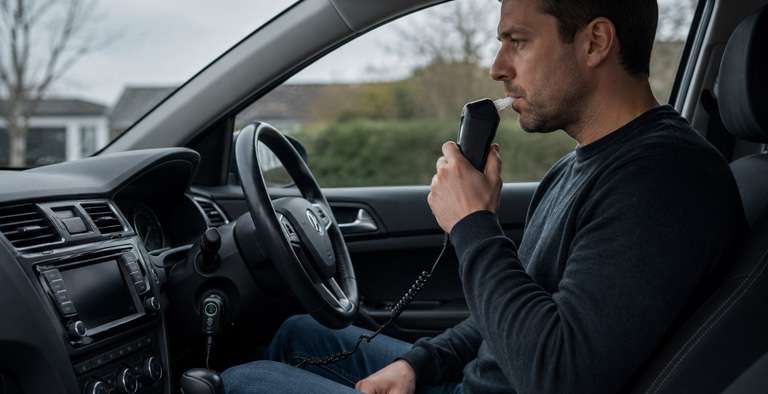
Could repeat drink-driving offenders soon be forced to install breathalyser-style devices before their cars will even start? That is now a serious question after the Government confirmed it is looking at tougher technological measures to deal with dangerous and repeat motorists.
The latest drink driving law changes being considered could affect drivers who have been convicted more than once, or those classed as high-risk offenders. For motorists already facing prosecution, this is a warning that road traffic offences may soon carry even stricter consequences than fines, bans and penalty points.
At Newgate Solicitors, we regularly assist clients facing motoring offence allegations, including drink driving, drug driving, careless driving, dangerous driving and speeding offences. Where your licence, job or reputation is at risk, getting early legal advice can make a major difference.
Table of Contents
What Are the Proposed Drink Driving Law Changes?
The Government has confirmed that ministers are considering whether alcohol interlock devices, often called “alcolocks”, should be made compulsory for repeat and high-risk drink-driving offenders.
These devices stop a vehicle from starting until the driver provides a breath sample and passes the test. If alcohol is detected above the permitted level, the vehicle will not start.
The proposed drink driving law changes do not appear to mean every motorist would need such a device. Instead, the current discussion focuses on people who repeatedly break drink-driving laws or are considered a high risk to public safety.
This could include drivers who:
- Have previous drink-driving convictions
- Are caught with high alcohol readings
- Have breached previous court orders
- Are considered likely to reoffend
- Are applying to return to the road after disqualification
Although the rules have not yet been finalised, the direction is clear: the Government is looking at tougher restrictions for drivers who continue to offend.
How Would Alcohol Interlock Devices Work?
Alcohol interlock devices are fitted into a vehicle and connected to the ignition system. Before the car starts, the driver must blow into the device. If the breath sample shows alcohol above the approved level, the engine will not start.
The technology is already used in some other countries as part of licence reinstatement schemes. In practice, this means a driver may be allowed back on the road only if they agree to use the device for a set period.
If introduced in the UK, these drink driving law changes could create a new layer of restriction after a conviction. It may no longer be enough for some offenders to simply complete a ban and pay a fine. They could also face ongoing monitoring before they are allowed to drive freely again.
For drivers who depend on their vehicle for work, family responsibilities or business, this could be highly disruptive.
Why Is the Government Considering Tougher Driving Restrictions?
The proposals come as part of a wider push to reduce serious road harm. The Government’s Road Safety Strategy sets long-term targets to reduce deaths and serious injuries on roads by 2035.
Ministers are also looking at other enforcement measures, including possible changes to the legal drink-drive limit in England and Wales, which has remained unchanged for decades.
The issue was raised in Parliament after concerns about dangerous driving and street racing. In one example, a residential road in West Bromwich was reportedly used by drivers at extreme speeds, with motorists caught travelling at 125mph.
This has strengthened calls for stronger action against repeat offenders, reckless drivers and those who treat public roads as racing tracks.
The latest drink driving law changes are therefore not being considered in isolation. They form part of a wider crackdown on dangerous road behaviour, including drink driving, drug driving, speeding, uninsured driving and illegal vehicle use.
Could Speeding and Street Racing Also Face New Technology Restrictions?
The Transport Secretary also indicated that technological interventions for repeat dangerous drivers may be considered more widely.
That could potentially include future restrictions aimed at drivers involved in serious speeding, street racing or repeated dangerous driving. While alcohol locks relate specifically to drink-driving risk, the wider debate is about whether technology can prevent repeat offenders from causing further harm.
Possible future measures could include:
- Technology-based restrictions for repeat offenders
- Stronger use of camera enforcement
- Tougher licence suspension powers
- Closer monitoring of high-risk drivers
- Wider use of vehicle-based safety systems
At this stage, not every idea has become law. However, the Government is clearly exploring whether repeat offenders should face more than the traditional punishments of fines, points and bans.
What Could This Mean If You Are Charged With Drink Driving?
If you are charged with drink driving, the immediate penalties can already be severe. A conviction can result in a driving ban, fine, criminal record, increased insurance costs and employment consequences.
If the new drink driving law changes are introduced, repeat or high-risk offenders could face additional restrictions before being allowed back on the road.
This makes it even more important to take drink-driving allegations seriously from the start. The prosecution must prove its case, and there may be issues around procedure, evidence, breathalyser accuracy, medical factors or police process.
A solicitor can review:
- Whether the correct procedure was followed
- Whether the evidence is reliable
- Whether there are special reasons to avoid or reduce disqualification
- Whether mitigation can reduce the sentence
- Whether exceptional hardship applies in related driving cases
Even where a guilty plea is appropriate, strong mitigation can help present your circumstances properly to the court.
Why Early Legal Advice Matters
Many motorists make the mistake of waiting until their court date before seeking legal advice. This can leave very little time to review the evidence, prepare mitigation or identify possible defence arguments.
With tougher drink driving law changes now being considered, early advice is even more important for anyone facing a road traffic prosecution.
At Newgate Solicitors, our criminal defence team can help you understand the allegation, the likely penalties and the options available. Whether you are facing a first-time drink-driving charge or a more serious repeat offence, we can guide you through the process clearly and professionally.
Legal advice may be especially important if:
- You need your licence for work
- You have previous motoring convictions
- The alcohol reading was high
- There was an accident
- You are accused of dangerous or careless driving
- You are worried about a criminal record
The earlier you act, the more time your solicitor has to protect your position.
Tougher Road Rules Could Be Coming
The Government’s latest comments show that repeat and high-risk driving offences are firmly on the enforcement agenda. Alcohol interlock devices, lower drink-drive limits and stronger licence suspension powers could all form part of a tougher future approach.
For motorists, the message is clear: drink driving and dangerous driving allegations must be taken seriously. A conviction can affect your licence, income, family life and future.
If you have been accused of drink driving, drug driving, dangerous driving, careless driving or another motoring offence, contact Newgate Solicitors today for clear legal advice and strong representation.
Call Newgate Solicitors today to speak to our criminal defence and motoring offence team.
Frequently Ased Questions
What are the new drink driving law changes being considered?
The Government is considering whether alcohol interlock devices should be made compulsory for repeat and high-risk drink-driving offenders.
What is an alcohol interlock device?
An alcohol interlock device is a breathalyser-style system fitted to a vehicle. The car will not start unless the driver passes a breath test.
Will every driver need an alcohol lock?
No. The current discussion appears to focus on repeat and high-risk drink-driving offenders, not ordinary motorists.
Can I go to prison for drink driving?
Yes, in serious cases. Prison is more likely where there is a high alcohol reading, repeat offending, dangerous driving or an accident.
Will drink driving give me a criminal record?
Yes. Drink driving is a criminal offence and a conviction can result in a criminal record.
Can I avoid a driving ban for drink driving?
A ban is usually mandatory, but there may be limited arguments such as special reasons. You should get legal advice quickly.
Could the drink-drive limit be lowered in England and Wales?
Yes. The Government is considering whether to lower the legal drink-drive limit as part of wider road safety reforms.
What should I do if I am charged with drink driving?
You should seek legal advice as early as possible. A solicitor can review the evidence and advise you on plea, defence and mitigation.
Can a solicitor help with a repeat drink-driving offence?
Yes. Repeat offences are serious, but a solicitor can help assess the evidence, prepare mitigation and explain the likely sentence.
Do Newgate Solicitors deal with motoring offences?
Yes. Newgate Solicitors can assist with drink driving, drug driving, dangerous driving, careless driving, speeding and other road traffic offences.
Related Posts
Shocking Legal E-Bike Seized by Police and Destroyed After Costly Mistake
A Birmingham man's £6,000 Tern GSD cargo bike was seized and destroyed after police allegedly…
New Driving Laws
Motorists in England and Wales could soon face new driving laws under Government proposals aimed…
DVLA Number Plate Crackdown
Thousands of vehicles are reportedly linked to incorrect DVLA records, raising concerns over ghost owners,…