

New Driving Laws
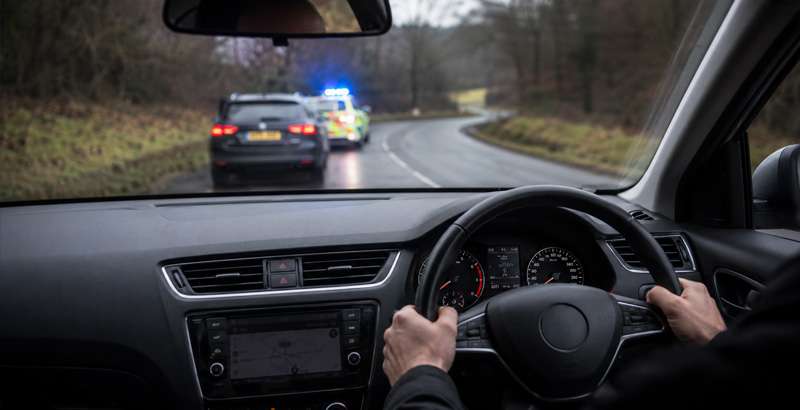
Motorists in England and Wales could soon face new driving laws under Government proposals aimed at tackling some of the most serious road offences. The Department for Transport consultation on motoring penalties ran from 7 January 2026 until 11:59pm on 11 May 2026, covering drink and drug-driving, seatbelt offences, uninsured drivers, MOT failures and illegal
The review forms part of the wider Road Safety Strategy, which the Government says is designed to reduce danger on Britain’s roads and ensure penalties properly reflect risky driving behaviour.
What’s Covered
New Driving Laws Could Lower the Drink-Drive Limit
One of the biggest proposed changes is a possible reduction of the drink-drive limit in England and Wales. At present, England and Wales allow 80mg of alcohol per 100ml of blood, while Scotland has a stricter limit of 50mg.
The Government is also considering whether new drivers should face tougher alcohol limits during their early years on the road. This would be aimed at reducing risk among younger and less experienced motorists.
Under the current rules, drivers caught over the legal alcohol limit can already face serious consequences, including a driving ban, fine and possible imprisonment. However, the proposed new driving laws could go further by allowing quicker licence suspension or even vehicle seizure in suspected drink or drug-driving cases.
Seatbelt Offences Could Lead to Penalty Points
Another major proposal is to make not wearing a seatbelt an endorsable offence. This means drivers could receive three penalty points instead of simply facing a fixed fine.
Currently, many motorists may see a seatbelt offence as a minor matter. However, the Government’s review suggests this could change, especially where the offence creates a serious safety risk.
Fines could also rise if the matter goes to court. For motorists who already have points on their licence, this could make a significant difference and may even increase the risk of disqualification.
These new driving laws would send a clear message that seatbelt rules are not optional.
Tougher Penalties for Driving Without MOT
The proposals also look at stricter action against drivers using vehicles without a valid MOT.
At present, driving without a valid MOT can result in a fine of up to £1,000, or up to £2,500 if the vehicle is considered dangerous. The Government is now considering whether penalties should be tougher to discourage unsafe vehicles from being used on public roads.
For motorists, this means keeping MOT dates up to date could become even more important. A missed MOT may no longer be treated as a simple oversight, especially if the vehicle is unsafe.
Uninsured Drivers Could Face Higher Fines
Driving without insurance is another key area under review. Currently, uninsured motorists are often offered a £300 fixed penalty and six penalty points if they accept the notice.
However, the Government is considering increasing fixed penalty fines, possibly doubling them, so the punishment is far higher than the cost of taking out insurance.
Officials are also looking at whether uninsured drivers should receive more penalty points. This could make it easier for repeat offenders to lose their licence.
For law-abiding motorists, this proposal may be welcomed. Uninsured driving increases risk for other road users and can leave innocent drivers facing costly and stressful claims.
Illegal Number Plates and “Ghost” Cars Targeted
The new driving laws could also bring stronger action against illegal number plates and so-called “ghost” plates.
These are number plates used to avoid detection, road tax, parking penalties, speeding fines or other traffic enforcement. The Government consultation includes illegal number plates and ghost number plates as part of the offences under review.
Possible changes include giving authorities more power to deal with false or illegal plates. Previous legal commentary on the proposals has also highlighted possible tougher penalties, including penalty points and vehicle seizure.
This could be a major warning to drivers who alter plates, use cloned plates or fail to keep correct vehicle records.
What Motorists Should Do Now
Although the consultation has now closed, motorists should pay close attention to the outcome. These proposals could change how everyday driving offences are punished across England and Wales.
Drivers should now make sure they:
- Keep their MOT, tax and insurance fully up to date.
- Check their number plates meet legal standards.
- Never drive under the influence of alcohol or drugs.
- Always wear a seatbelt and ensure passengers do the same.
- Update DVLA records if their address or vehicle details change.
The safest approach is to treat these proposals as a warning sign. Road traffic penalties may soon become stricter, and minor mistakes could become much more costly.
The proposed new driving laws could mark one of the biggest changes to motoring penalties in years. From drink-driving and uninsured vehicles to MOT failures and illegal number plates, the Government is clearly looking at tougher enforcement.
For motorists, the message is simple: stay legal, stay insured, keep your vehicle roadworthy and do not ignore DVLA or court paperwork.
If you are facing a road traffic allegation, penalty points, a driving ban or prosecution, getting legal advice early could make a major difference.
Need help with a motoring offence, penalty points or a possible driving ban? Contact Newgate Solicitors for clear, practical advice on your next steps.
Frequently Asked Questions
What are the new driving laws being proposed?
The proposals cover drink-driving, drug-driving, seatbelt offences, uninsured driving, MOT failures and illegal number plates.
Has the motoring penalties consultation closed?
Yes. The consultation closed at 11:59pm on 11 May 2026.
Could the drink-drive limit change in England and Wales?
Yes. The Government is considering lowering the limit to match Scotland’s stricter rules.
Could seatbelt offences lead to points?
Yes. One proposal would make not wearing a seatbelt an endorsable offence with three penalty points.
What is the fine for driving without MOT?
Currently, drivers can face up to £1,000, or up to £2,500 if the vehicle is dangerous.
Could uninsured driving fines increase?
Yes. The Government is considering higher fixed penalties for uninsured drivers.
What are ghost number plates?
Ghost plates are illegal or false plates used to avoid detection, fines, road tax or enforcement.
Could vehicles be seized under the new rules?
Vehicle seizure is being considered for some serious offences, including suspected illegal plate use or drink and drug-driving cases.
Do these laws apply across the UK?
The consultation mainly concerns England and Wales, although road safety reforms may affect wider UK policy discussions.
Should I get legal advice for a motoring offence?
Yes. If you face penalty points, prosecution or a driving ban, early legal advice can help protect your position.
Related Posts
Shocking Legal E-Bike Seized by Police and Destroyed After Costly Mistake
A Birmingham man's £6,000 Tern GSD cargo bike was seized and destroyed after police allegedly…
Tough New Drink Driving Law Changes
New drink driving law changes could see repeat and high-risk offenders forced to use alcohol…
DVLA Number Plate Crackdown
Thousands of vehicles are reportedly linked to incorrect DVLA records, raising concerns over ghost owners,…