

DVLA Number Plate Crackdown
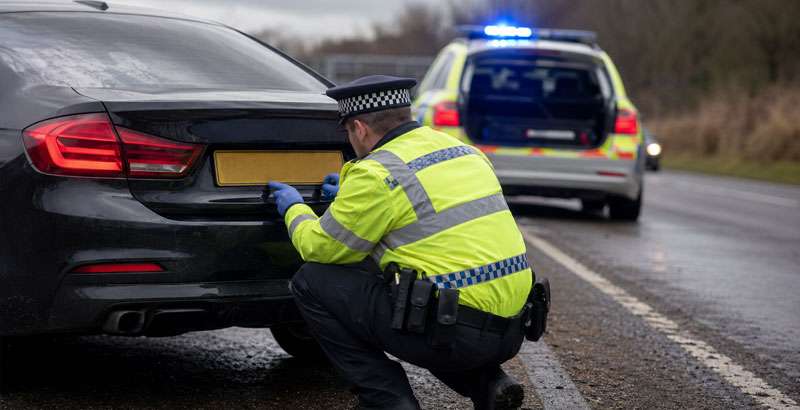
Thousands of vehicles could face serious scrutiny under a new DVLA number plate crackdown after reports revealed that more than 18,000 vehicles are registered to the DVLA’s own Swansea address rather than a keeper’s real address. The issue has sparked concerns about so-called “ghost owners”, cloned plates and drivers avoiding penalties for motoring offences.
According to reporting based on DVLA data obtained through a Freedom of Information request, 18,260 vehicles were registered to the agency’s own address, making it difficult to trace who is actually responsible for them. Labour MP Sarah Coombes has warned that weak number plate regulation is helping some drivers avoid accountability for speeding, hit-and-runs and other offences.
For ordinary motorists, the message is simple: if your DVLA address, keeper details or number plates are wrong, you could face problems even if you have made an innocent mistake.
What’s Covered
What Is Behind the DVLA Number Plate Crackdown?
The DVLA number plate crackdown is linked to growing concern over vehicles that cannot easily be traced back to a genuine registered keeper. These vehicles may be linked to incorrect DVLA records, cloned plates, “ghost plates” or plates designed to avoid camera detection.
The government’s Road Safety Strategy says new measures will target illegal number plates, including ghost plates designed to fool camera systems, as well as uninsured vehicles and vehicles without a valid MOT.
The concern is not only about paperwork. If a vehicle is used in a speeding offence, parking offence, bus lane contravention, collision or criminal investigation, enforcement authorities need accurate keeper details. Without them, penalties may not reach the right person and genuine victims may struggle to get justice.
This is why the issue has become more than an administrative problem. It touches road safety, criminal enforcement, insurance premiums and public trust in the vehicle registration system.
Why 18,000 Vehicles Registered to the DVLA Address Matters
The reported figure of 18,260 vehicles registered to the DVLA’s own address has raised alarm because it suggests many vehicles may be on the road without proper keeper information.
In practice, that can create a major enforcement gap. If the address is wrong, outdated or not linked to the actual keeper, penalty notices and legal documents may not reach the person responsible. This can affect:
- Speeding notices
- Parking charge notices
- Insurance enforcement letters
- Clean air zone penalties
- Police enquiries
- Court summonses
- Hit-and-run investigations
The DVLA number plate crackdown is therefore likely to focus on tracing inaccurate records, tightening number plate supply rules and making it harder for drivers to use plates that conceal their identity.
For law-abiding motorists, this is also a reminder to check that their own vehicle logbook, known as the V5C, contains the correct address. A failure to update DVLA keeper details can lead to a fine of up to £1,000.
What Are Ghost Plates and Cloned Number Plates?
Ghost plates and cloned plates are different but closely related problems.
A cloned plate is when a criminal copies the registration number of a genuine vehicle and places it on another vehicle. This can result in the innocent registered keeper receiving fines or penalty notices for offences they did not commit.
A ghost plate is usually a non-compliant or altered plate designed to avoid detection by cameras, including ANPR systems. These plates may use reflective materials, coatings, spacing tricks or illegal fonts to make the registration harder to read.
In Parliament, the government stated that it is already illegal to sell or display ghost or non-compliant plates, and drivers using illegal plates can face fines of up to £1,000.
The DVLA number plate crackdown is expected to increase pressure on both drivers and suppliers. This matters because number plates are not just decorative items. They are part of the legal identity of a vehicle.
Could Drivers Face a £1,000 Fine?
Yes. Drivers can face penalties if their number plates are illegal or if their registered keeper details are incorrect. The key risk areas include:
- Incorrect DVLA address – If your V5C logbook address is wrong, you may miss enforcement letters and could face a fine.
- Illegal number plate design – Plates must follow rules on spacing, size, font, material and visibility.
- Cloned plate allegations – If your vehicle is wrongly linked to offences, you may need to prove your car was not involved.
- Driving without traceable keeper records – Government proposals may lead to tougher enforcement against vehicles with no current keeper record.
The government’s motoring offences consultation includes illegal number plates, ghost plates, driving uninsured, driving without a current MOT and failure to stop and report as areas under review.
The DVLA number plate crackdown may therefore lead to more roadside checks, stricter MOT scrutiny and tougher penalties in the future.
What Should Motorists Check Now?
Most motorists will not be affected by criminal plate use, but many people forget to update vehicle records after moving home. That can cause serious problems if a Notice of Intended Prosecution or court document is sent to an old address.
To reduce risk, check the following:
- Your V5C logbook shows your current address
- Your number plate has the correct spacing
- Your plate is not cracked, tinted or difficult to read
- Your MOT, tax and insurance are up to date
- You recognise all fines or penalty notices linked to your registration
- You report suspected cloning quickly
If you receive a penalty notice for a place you have never been, do not ignore it. It may be a sign your plate has been cloned.
The DVLA number plate crackdown could make enforcement more aggressive, so dealing with errors early is better than waiting for the matter to escalate.
What If You Are Accused of a Number Plate or Motoring Offence?
If you are accused of driving with illegal plates, failing to update DVLA details, driving without insurance, failing to respond to a notice or being linked to cloned plate activity, the consequences can be serious.
Depending on the allegation, you may face:
- A fixed penalty
- A court summons
- A fine
- Penalty points
- Vehicle seizure
- Insurance complications
- A criminal record in more serious cases
The government’s Road Safety Strategy also refers to potential tougher penalties for illegal plates, including penalty points and, ultimately, vehicle seizure.
This is where legal advice can make a real difference. Some drivers are caught out by genuine mistakes, such as moving home and forgetting to update the V5C. Others may be victims of cloning and need help proving they were not responsible for the offence.
Newgate Solicitors can assist motorists facing allegations linked to number plates, DVLA records, speeding notices, insurance offences, Single Justice Procedure notices and court summonses.
Why This Crackdown Could Affect Innocent Drivers
The danger with any wide-ranging DVLA number plate crackdown is that innocent motorists can get caught up in enforcement action.
For example, a driver may have:
- Moved address and updated their driving licence but not their V5C
- Bought a used car with incorrect paperwork
- Had their registration cloned without knowing
- Received fines for offences committed by another vehicle
- Missed court papers because they were sent to an old address
It is important to understand that updating your driving licence address does not automatically update your vehicle logbook address. These are separate DVLA records. Many drivers do not realise this until they receive a fine or court notice.
If you have received a legal notice, do not assume it will go away because it was a mistake. You may need to respond within a strict deadline.
Drivers Should Act Before Problems Escalate
The DVLA number plate crackdown is a clear warning to UK motorists. With more than 18,000 vehicles reportedly linked to the DVLA’s own address and growing concern over ghost plates, cloned plates and untraceable drivers, enforcement is likely to become stricter.
For most drivers, the practical step is simple: check your V5C, inspect your number plates and act quickly if you receive a penalty notice that does not look right.
If you are facing a motoring allegation, court summons, DVLA issue or cloned plate dispute, Newgate Solicitors can help you understand your options and protect your position.
Call Newgate Solicitors today for clear, practical advice on motoring offences and DVLA-related allegations.
Frequently Asked Questions
What is the DVLA number plate crackdown?
The DVLA number plate crackdown refers to tougher action against illegal plates, ghost plates, cloned plates and incorrect vehicle keeper records.
Why are 18,000 cars linked to the DVLA address?
Reports say 18,260 vehicles are registered to the DVLA’s own Swansea address, raising concerns that the true keepers may not be properly traceable.
Can I be fined for not updating my DVLA address?
Yes. If your V5C logbook address is incorrect, you could face a fine of up to £1,000.
Is updating my driving licence enough?
No. Your driving licence and V5C logbook are separate records. You should update both when you move home.
What is a cloned number plate?
A cloned number plate is when someone copies your registration and uses it on another vehicle, often to avoid fines or commit offences.
What is a ghost plate?
A ghost plate is an illegal or altered number plate designed to avoid detection by cameras or ANPR systems.
Can illegal plates lead to penalty points?
Government proposals have included tougher penalties for illegal plates, potentially including penalty points and vehicle seizure.
What should I do if my number plate has been cloned?
Report it to the police and DVLA, gather evidence showing where your vehicle was, and challenge any incorrect fines promptly.
Can I be prosecuted if I never received the notice?
Possibly. If notices were sent to an old or incorrect address, you may still need legal help to reopen or challenge the case.
Can Newgate Solicitors help with DVLA and motoring offences?
Yes. Newgate Solicitors can assist with DVLA issues, cloned plate disputes, speeding notices, insurance offences and court summonses.
Related Posts
Shocking Legal E-Bike Seized by Police and Destroyed After Costly Mistake
A Birmingham man's £6,000 Tern GSD cargo bike was seized and destroyed after police allegedly…
Tough New Drink Driving Law Changes
New drink driving law changes could see repeat and high-risk offenders forced to use alcohol…
New Driving Laws
Motorists in England and Wales could soon face new driving laws under Government proposals aimed…