

The Hidden Danger of AI Legal Advice
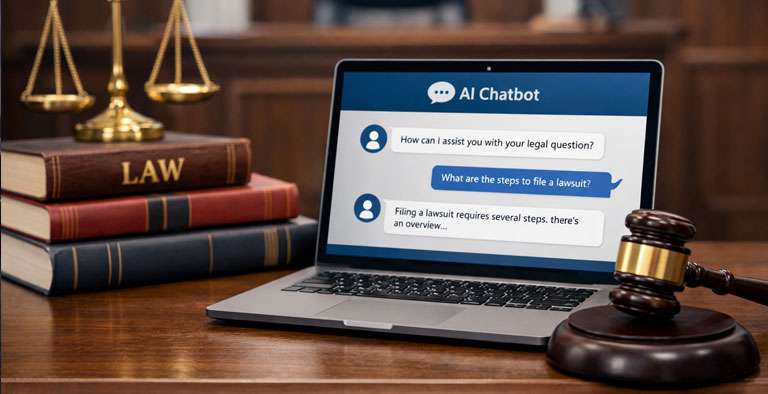
Artificial intelligence tools are becoming part of everyday life. From drafting emails to summarising documents, AI platforms are widely used across many industries. However, when it comes to legal matters, relying on AI-generated responses instead of professional legal guidance can be extremely risky.
The rise of AI legal advice has created a growing problem where individuals attempt to resolve serious legal issues using automated tools rather than qualified solicitors. While AI can provide general information, it cannot replace the expertise, accountability and legal protections offered by professional legal services.
At Newgate Solicitors, we have seen a rising number of clients arriving with AI-generated “legal advice” that is incomplete, inaccurate or simply wrong. In some cases, this misinformation can significantly damage a legal case before a solicitor even becomes involved.
This article explains why relying on AI legal advice instead of professional representation could put your case at serious risk.
What’s Covered
Understanding the Difference Between AI Legal Advice and Real Legal Advice
Legal advice is not simply about repeating legal rules. It involves carefully analysing a client’s individual circumstances and applying the law strategically.
Qualified solicitors carry out detailed fact-finding, assess evidence, review legislation and case law and provide tailored advice based on a client’s objectives and legal position.
AI systems, however, generate responses based on patterns within large datasets rather than real legal judgement.
This means AI legal advice cannot:
- Evaluate complex evidence
- Understand the full context of a legal dispute
- Apply strategic judgement
- Assess risks or consequences properly
Every legal case is unique. Two cases that appear similar may require completely different legal strategies. Only a qualified solicitor can properly interpret these differences and provide reliable advice.
The Risk of Outdated or Incorrect Legal Information
One of the biggest dangers of AI legal advice is that the information provided may not reflect the current law.
UK legislation, regulations and case law change frequently. Courts issue new decisions that alter how laws are interpreted and procedures can change without warning.
Solicitors are required to remain up to date with these developments through continuous professional training and regulatory obligations.
AI tools do not operate in the same way.
Because they rely on previously trained datasets, they may generate answers based on outdated or incomplete legal information. Even small inaccuracies can lead to serious problems such as:
- Missing court deadlines
- Filing incorrect legal documents
- Misunderstanding legal rights
- Following the wrong legal procedure
In legal matters, accuracy is critical. Acting on outdated AI legal advice could jeopardise your entire case.
No Accountability or Legal Protection
Another crucial difference between AI legal advice and professional legal services is accountability.
Solicitors operate under strict regulatory frameworks. In England and Wales, legal professionals must comply with professional rules and codes of conduct designed to protect clients.
When you receive advice from a solicitor, you benefit from:
- Professional regulation
- Legal confidentiality
- Professional indemnity insurance
- Clear accountability if advice is incorrect
AI tools offer none of these protections.
If AI provides incorrect information, there is no professional liability, no insurance cover and no legal recourse. The responsibility falls entirely on the individual who acted on that information.
This lack of accountability makes relying on AI legal advice particularly dangerous in serious legal matters.
Confidentiality and Data Security Concerns
Confidentiality is one of the cornerstones of the legal profession.
When you speak with a solicitor, your communications are generally protected by legal professional privilege. This means your information remains confidential and cannot normally be disclosed without your consent.
AI platforms do not offer these protections.
When users input personal information, legal details or case facts into AI systems, the data may be:
- Stored on external servers
- Processed by third-party systems
- Used to train future models
- Accessible outside the protections of legal privilege
This means sensitive case information could potentially be exposed.
Anyone dealing with legal matters should think very carefully before sharing confidential information through an AI platform when seeking AI legal advice.
AI Hallucinations and Fabricated Legal Information
A well-known issue with generative AI systems is the phenomenon known as “hallucination”.
This occurs when the system produces information that appears credible but is completely fabricated.
In legal contexts, this can include:
- Invented case law
- Incorrect legal citations
- Misquoted statutes
- False procedural guidance
There have already been real cases where legal professionals mistakenly relied on AI-generated case references that did not exist.
Because AI legal advice is often presented confidently and clearly, users may assume the information is accurate without verifying it. This false sense of reliability can lead individuals to make serious legal mistakes.
Legal matters require absolute precision, something AI systems cannot guarantee.
The Practical Limits of AI in Legal Cases
Even when AI explains legal concepts correctly, it cannot carry out the essential tasks required to resolve a legal matter.
Legal professionals provide services that go far beyond explaining the law.
AI cannot:
- Represent clients in court
- Prepare legal submissions
- Gather or analyse evidence
- Interview witnesses
- Negotiate settlements
- Respond strategically during litigation
- File documents with courts or authorities
These responsibilities require legal training, experience and judgement developed over years of professional practice.
No AI system can replace the real-world expertise of a solicitor.
Can AI Be Used Responsibly for Legal Research?
While relying solely on AI legal advice is risky, AI tools can still have limited practical uses when used carefully.
For example, AI may help individuals:
- Understand basic legal terminology
- Learn general legal concepts
- Prepare questions before speaking with a solicitor
- Conduct initial background research
However, AI should never be relied upon when making legal decisions or taking legal action.
Before acting on any legal matter, it is essential to obtain advice from a qualified solicitor who can properly assess your situation.
Speak to a Qualified Solicitor Before Acting on Legal Advice
Legal matters can have serious consequences for your finances, reputation and freedom. Acting on unreliable information could damage your case or limit your legal options.
At Newgate Solicitors, we provide professional legal advice tailored to your specific circumstances. Our experienced legal team carefully assesses each case and provides strategic guidance designed to achieve the best possible outcome.
If you are facing a legal issue or are unsure about advice you have received online, it is always safer to speak directly with a qualified solicitor.
Contact Newgate Solicitors today for trusted legal advice and professional representation.
Frequently Asked Questions
Is AI legal advice reliable?
AI legal advice can provide general information, but it should not be relied upon for real legal decisions.
Can AI replace a solicitor?
No. AI cannot assess evidence, apply legal judgement, or represent clients in court.
Is information shared with AI confidential?
No. AI platforms do not provide solicitor-client privilege or guaranteed confidentiality.
Can AI make mistakes in legal answers?
Yes. AI systems can produce incorrect or fabricated information known as “hallucinations”.
Why should I use a solicitor instead of AI?
Solicitors provide regulated, accountable, and legally protected advice tailored to your case.
Can AI help with legal research?
AI may help explain legal concepts but should not replace professional legal advice.
What happens if AI advice is wrong?
There is no legal protection or compensation if AI provides incorrect advice.
Can AI represent me in court?
No. Only qualified legal professionals can represent clients in legal proceedings.
Are AI tools updated with current UK law?
Not always. AI may rely on outdated information or incomplete datasets.
When should I speak to a solicitor?
You should speak to a solicitor whenever a legal decision or dispute could affect your rights or obligations.
Related Posts

Powerful Lawsuit Claims Trump ICC Sanctions Violate Free Speech
Two US advocacy groups claim Trump’s ICC sanctions unlawfully restrict free speech and pro-Palestinian advocacy.…

CPS AI Blunder Exposes Serious Risks of AI in Legal Research
A High Court judge has warned about AI in legal research after CPS submissions cited…

ChatGPT Confession That Exposes Hidden Privacy & Evidence Risks
A US college student allegedly confessed to vandalism via ChatGPT. This case exposes how AI…