

Grooming Gang Cases Investigation Faces Renewed Scrutiny
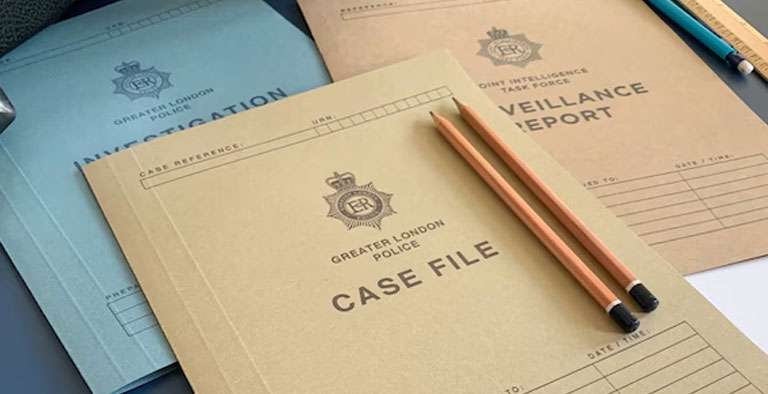
The grooming gang cases investigation has once again come under intense national scrutiny following revelations of serious investigative failures by police. Fresh disclosures suggest that opportunities to identify organised sexual exploitation were missed, evidence was poorly handled and safeguarding systems failed vulnerable victims.
As public confidence in policing is tested, these developments raise urgent legal, ethical and procedural questions about how historic and ongoing grooming gang cases are investigated and what reforms are now unavoidable.
This article breaks down what has emerged, why it matters and how the grooming gang cases investigation could change the future of criminal justice in the UK.
What’s Covered
What Triggered the Latest Grooming Gang Cases Investigation?
Metropolitan Police launched Operation Beaconport after concerns were raised over how certain child sexual exploitation cases had been handled.
Evening Standard reports that the review examined multiple historic cases where:
- Patterns of organised abuse were not identified
- Intelligence was fragmented across departments
- Victims were not believed or properly safeguarded
The grooming gang cases investigation revealed that repeated red flags were present but failed to trigger decisive action.
Systemic Failures Identified by Operation Beaconport
Operation Beaconport identified several critical failings, including:
- Poor information sharing between police units
- Lack of cultural and behavioural pattern analysis
- Inconsistent safeguarding referrals
- Delays in escalation despite multiple complaints
These findings suggest the issue was not isolated misconduct but structural weakness within investigative processes, a central theme in the ongoing grooming gang cases investigation.
Why Grooming Gang Investigations Are Uniquely Complex
Grooming gang cases differ significantly from other criminal investigations due to:
- Long-term coercion and victim manipulation
- Fear of reprisals or community pressure
- Reluctance to engage with police
- Cultural, social and language barriers
Without specialist training and coordinated intelligence, patterns of abuse can remain hidden. The grooming gang cases investigation highlights how failure to recognise these complexities can allow abuse to continue unchecked.
Legal and Criminal Justice Implications
From a legal perspective, the renewed grooming gang cases investigation raises serious questions:
- Could earlier intervention have prevented further offences?
- Were victims denied justice due to investigative failures?
- Are past convictions or non-prosecutions now open to challenge?
For suspects, flawed investigations may also raise fair trial and disclosure concerns, particularly where evidence was mishandled or intelligence improperly assessed.
Accountability and Public Confidence in Policing
Public trust depends on transparency and accountability. The findings of Operation Beaconport suggest:
- Lessons were not consistently learned from previous national inquiries
- Internal oversight mechanisms failed to identify repeat issues
- Victim confidence was undermined
Without meaningful reform, future grooming gang cases investigations risk repeating the same mistakes.
What Happens Next?
The Metropolitan Police has committed to:
- Reviewing safeguarding protocols
- Improving intelligence-sharing systems
- Strengthening specialist training
- Engaging external oversight where appropriate
Whether these measures lead to real change will depend on how rigorously reforms are implemented and monitored, as part of the wider grooming gang cases investigation landscape.
Why Specialist Legal Advice Matters
Cases involving allegations of organised sexual exploitation are among the most complex in criminal law. Early, specialist legal advice is essential for:
- Protecting the rights of those accused
- Ensuring proper disclosure and procedure
- Identifying investigative failings
- Challenging flawed or historic evidence
At Newgate Solicitors, our criminal defence team regularly advises clients involved in high-stakes, sensitive investigations where procedural accuracy is critical.
If you or someone you know is affected by an ongoing or historic grooming gang cases investigation – whether as a complainant or an accused individual – early legal advice can make a decisive difference.
Frequently Asked Questions
What is a grooming gang cases investigation?
A review of how police investigate organised child sexual exploitation cases.
What is Operation Beaconport?
An internal Metropolitan Police investigation into past handling of grooming cases.
What failures were identified?
Poor intelligence sharing, safeguarding failures, and missed warning signs.
Can past cases be reopened?
Yes, where new evidence or procedural failures are identified.
Does this affect ongoing prosecutions?
It may raise disclosure and fairness issues in certain cases.
Are victims entitled to compensation?
In some cases, civil claims may be possible.
What rights do suspects have?
The right to a fair investigation, disclosure, and legal representation.
Why are grooming cases hard to investigate?
They involve coercion, fear, and long-term abuse dynamics.
Will police procedures change?
Reforms have been promised, but implementation is key.
Should I speak to a solicitor early?
Yes, early advice is crucial in complex criminal investigations.
Related Posts

Fish Conspiracy – £20m Cocaine Gang Sentenced
The Fish Conspiracy saw four men jailed for a combined 71.5 years after smuggling £20m…
Shocking Met Police Officer Sacked After BBC Panorama Investigation
A Metropolitan Police officer has been dismissed without notice and barred from policing after a…

Anthony Littler Murder: Undercover Police Operation Leads to Historic Convictions
The Anthony Littler Murder case concluded after an extensive undercover police operation and the review…